The Alexis Chair / Journal
Comprehensive Guide to Instrument Disinfectant: Ensuring Sterility & Safety in Medical Practices
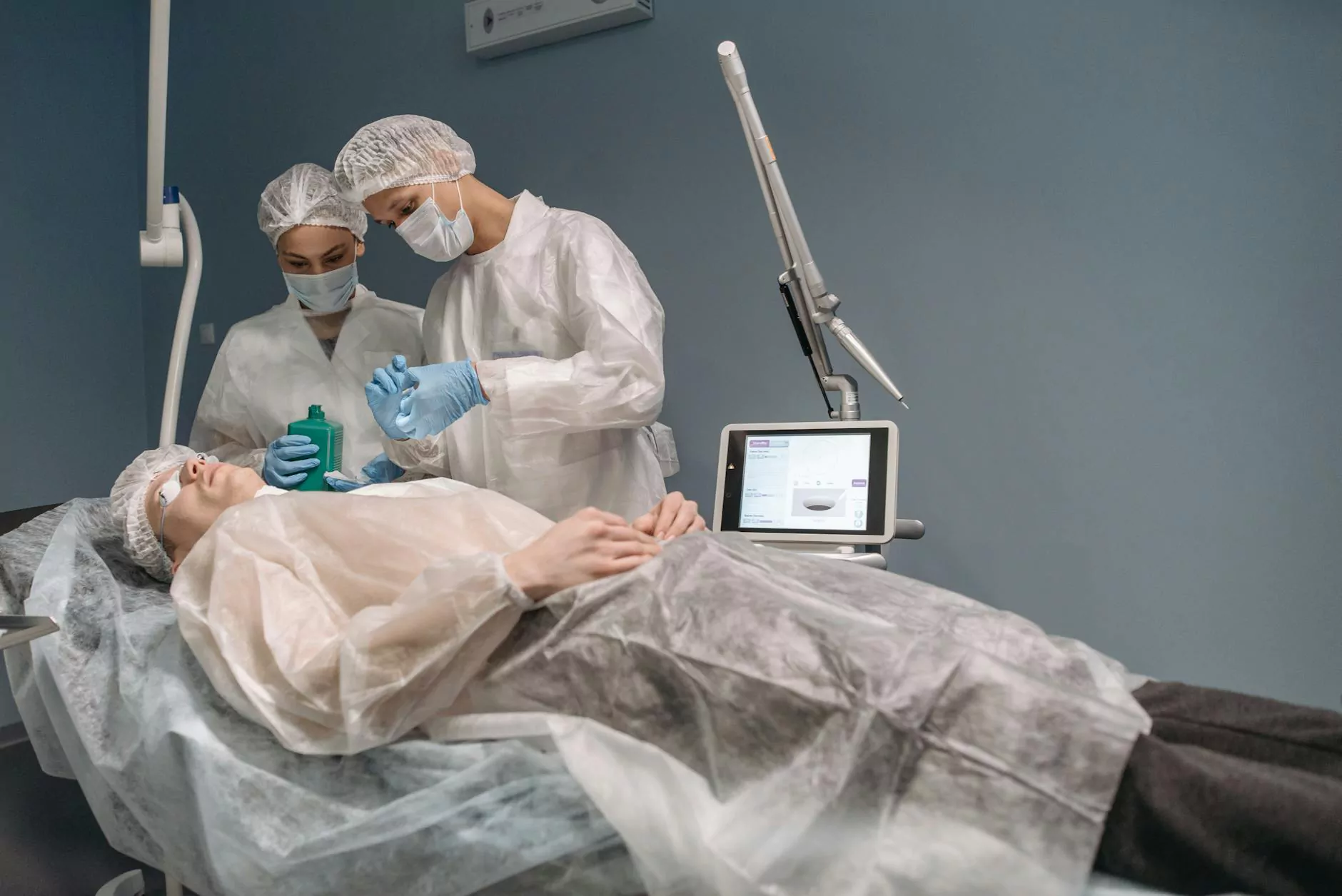
In the realm of healthcare and medical services, maintaining a sterile environment is paramount. Whether in hospitals, clinics, dental offices, or laboratories, the cleanliness of medical instruments can dramatically influence patient outcomes and the overall safety of healthcare environments. A critical component of this sterilization chain is the effective use of instrument disinfectant. This article delves deep into the significance, varieties, application, and best practices surrounding instrument disinfectant, offering invaluable insights for healthcare professionals and medical supply providers.
Understanding the Importance of Instrument Disinfectant in Medical Settings
The primary goal of using instrument disinfectant is to eliminate pathogenic microorganisms — bacteria, viruses, fungi, and spores — that can be transmitted during medical procedures. Proper disinfection reduces the risk of infection, cross-contamination, and healthcare-associated infections (HAIs), which pose serious health threats and lead to increased healthcare costs.
Instruments that are not adequately disinfected can serve as vectors for disease transmission, impacting patient safety and the reputation of healthcare providers. Therefore, the selection and correct application of instrument disinfectant form a cornerstone of effective infection control protocols.
Types of Instrument Disinfectant: An In-Depth Overview
Choosing the appropriate instrument disinfectant depends on the type of instrument, the nature of the procedure, and regulatory guidelines. Here are the most prevalent types:
- Chemical Disinfectants: The most common form, including alcohol-based solutions, glutaraldehyde, formaldehyde, hydrogen peroxide, and quaternary ammonium compounds. They are suitable for a broad spectrum of bacteria and viruses.
- High-Level Disinfectants: Specifically designed to inactivate all microorganisms except high levels of bacterial spores. These are typically used for semi-critical instruments contacting mucous membranes.
- Intermediate-Level Disinfectants: Effective against bacteria, fungi, and viruses but not spores. Often used for non-critical instruments like blood pressure cuffs and equipment surfaces.
- Low-Level Disinfectants: Used for cleaning floors or surfaces that do not contact sterile tissues.
Key Factors in Selecting the Right Instrument Disinfectant
Effective disinfection is contingent on multiple factors:
- Type of Instrument: Delicate instruments require gentle disinfectants; steel or robust instruments can tolerate stronger chemicals.
- Material Compatibility: Certain disinfectants can damage plastics, rubber, or metal components; understanding material specifications is crucial.
- Concentration & Contact Time: Proper dilutions and sufficient contact duration are vital for effective microbial kill rates.
- Regulatory Compliance: Disinfectants used must meet health authority standards, such as OSHA, CDC, or local regulations.
Best Practices for Using Instrument Disinfectant
To maximize disinfection efficacy, the following protocols should be systematically implemented:
- Pre-clean Instruments: Remove organic matter, blood, and debris to enhance disinfectant penetration.
- Use Appropriate Disinfectant: Select the disinfectant that matches instrument sensitivity and intended microbial inactivation level.
- Follow Manufacturer Guidelines: Adhere strictly to the instructions regarding concentration, contact time, and temperature.
- Ensure Complete Coverage: Soak or spray instruments thoroughly to cover all surfaces, including lumens and hinges.
- Dry and Store Properly: After disinfection, ensure instruments are dried and stored in sterile, contamination-free environments.
Innovations in Disinfection Technology: Enhancing Safety and Efficiency
The field of medical disinfection continually evolves, integrating new technologies to improve safety and workflow efficiency:
- Automated Disinfection Equipment: Using ultrasonic cleaners, washer-disinfectors, and automated sterilizers reduces manual errors and ensures uniform application.
- Eco-friendly Disinfectants: Environmentally sustainable solutions that minimize chemical hazards and emissions are gaining popularity.
- Advanced Chemical Formulations: More potent, faster-acting disinfectants with lower toxicity profiles improve turnaround times and staff safety.
- UV-C Disinfection: Utilizing ultraviolet light to sterilize instruments and surfaces offers a chemical-free alternative, especially for rapid turnaround needs.
Integration of Instrument Disinfectant in Infection Control Protocols
Effective use of instrument disinfectant is part of a larger infection control framework. This includes:
- Standard Precautions: Hand hygiene, personal protective equipment, and environmental cleaning.
- Sterilization Processes: When disinfection is insufficient, sterilization techniques like autoclaving might be necessary.
- Staff Training: Continuous education on proper disinfection procedures is essential for compliance and safety.
- Quality Assurance: Regular testing and validation of disinfection processes to ensure consistent performance.
The Role of Instrument Disinfectant in Medical Supply Business
For companies like medalkan.com, specializing in Health & Medical, Medical Supplies, offering high-quality instrument disinfectant products is central to meeting healthcare demands. It involves providing solutions that align with regulatory standards, are safe for staff use, and effective against a broad spectrum of pathogens.
Effective representation of these products includes:
- Developing comprehensive product catalogs with clear usage instructions
- Ensuring supply chain reliability for timely delivery
- Offering training materials and technical support
- Staying abreast of the latest disinfection innovations and regulatory updates
Why Choose Medalkan for Your Instrument Disinfectant Needs
At Medalkan, we understand the critical importance of infection prevention in healthcare. Our product line emphasizes:
- Quality Assurance: All disinfectants meet or surpass international standards.
- Product Variety: From low-level to high-level disinfectants tailored for different applications.
- Safety Focus: Non-toxic, eco-friendly formulations safe for staff and the environment.
- Expert Support: Comprehensive guidance on disinfection protocols and product use.
The Future of Instrument Disinfectant and Healthcare Safety
Emerging technologies and innovative formulations will continue to shape the landscape of medical disinfection. Emphasis on sustainability, rapid action, and user-friendliness will drive product development. In conjunction with stringent protocols, ongoing staff training, and regulatory compliance, healthcare facilities can significantly reduce infection risks, safeguard patients and staff, and elevate overall care quality.
Conclusion: Elevating Healthcare Standards with Effective Instrument Disinfectant
Embedding the correct use of instrument disinfectant into routine healthcare practice is essential for achieving excellence in infection control. The right disinfectant, used properly, ensures that medical instruments are safe, sterile, and ready for next use, ultimately contributing to better patient outcomes and safer healthcare environments.
For top-quality instrument disinfectant options and expert guidance, visit medalkan.com. Together, we can uphold the highest standards of health and safety in your medical practice.