The Alexis Chair / Journal
Comprehensive Guide to Dental Care: Enhance Your Oral Health
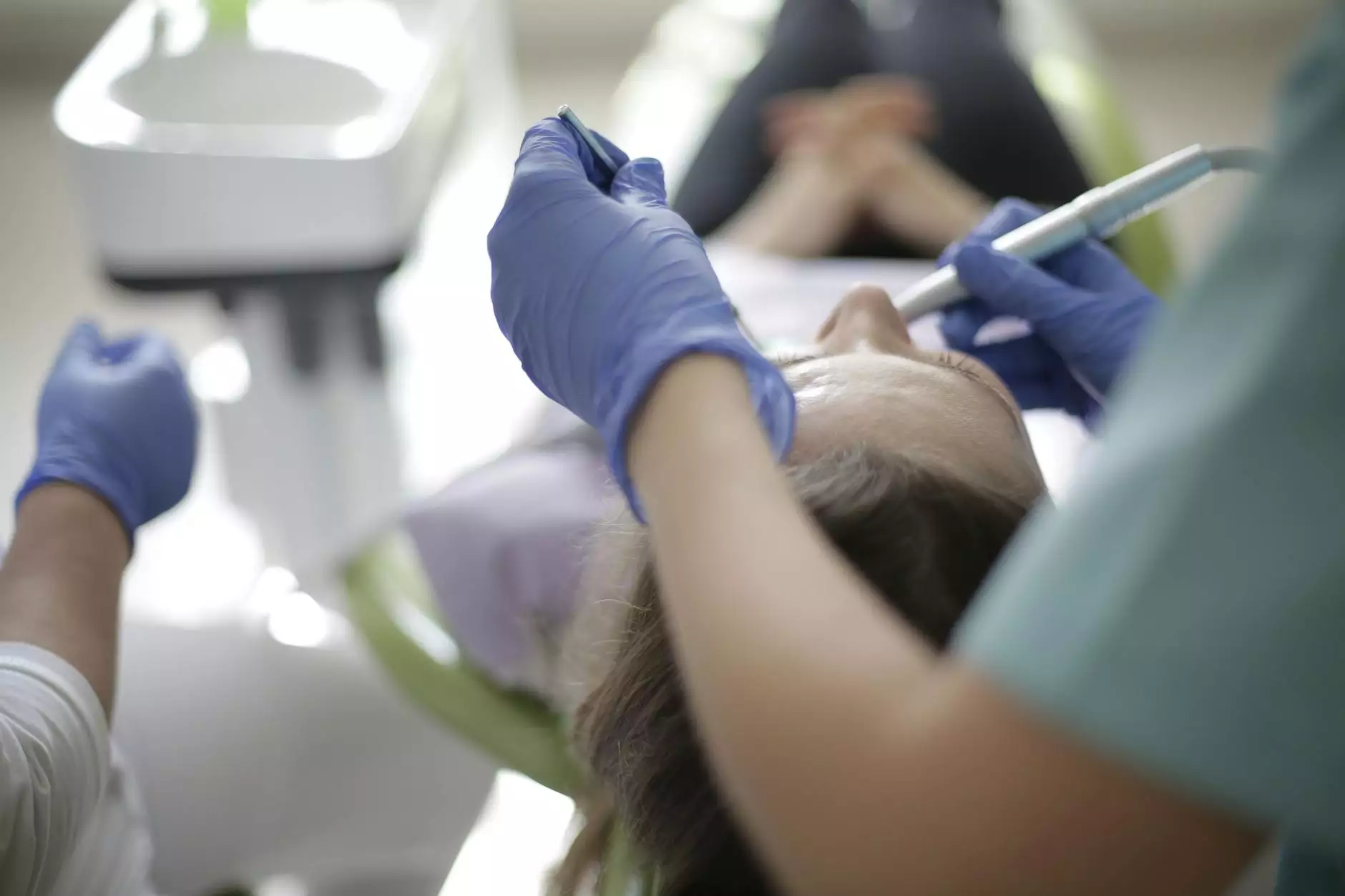
Understanding the Importance of Dental Care
Dental care is an essential aspect of overall health. It encompasses various practices aimed at maintaining the health of teeth, gums, and the entire oral cavity. The significance of dental care lies in its influence on not just oral health but also general well-being. Neglecting dental hygiene can lead to severe health issues, including heart disease and diabetes.
The Core Components of Dental Care
To achieve optimal oral health, one must focus on three primary components:
- Preventive Care
- Restorative Treatments
- Cosmetic Procedures
Preventive Care
Preventive care is the cornerstone of effective dental care. It involves measures that help prevent oral diseases. Essential practices include:
- Regular Brushing: Brush twice a day using fluoride toothpaste to remove plaque and prevent cavities.
- Flossing: Daily flossing is vital to remove food particles and plaque from between the teeth.
- Routine Dental Check-ups: Scheduling visits to your dentist every six months helps catch potential issues early.
Restorative Treatments
Even with diligent preventive care, dental issues can still arise. Restorative treatments aim to repair or restore teeth that have been damaged. Common restorative procedures include:
- Fillings: Used to fill cavities caused by decay.
- Crowns: Caps placed over damaged teeth to restore their shape and function.
- Bridges: Fixed prosthetics that replace missing teeth.
- Root Canals: Treatment for infected tooth pulp, preserving the natural tooth.
Cosmetic Procedures
Cosmetic dental care focuses on improving the appearance of your smile. Some popular cosmetic procedures include:
- Teeth Whitening: Treatments that restore the brightness of your teeth.
- Veneers: Thin porcelain shells bonded to the front of teeth to improve their appearance.
- Orthodontics: Braces or clear aligners used to straighten teeth.
Daily Dental Care Routine: Best Practices
Creating a consistent daily routine can greatly enhance your dental care. Follow these best practices:
- Brush your teeth for at least two minutes, ensuring you reach all areas of your mouth.
- Use a soft-bristled toothbrush and replace it every three to four months.
- Incorporate a mouthwash into your routine to reduce plaque and gingivitis.
- Stay hydrated to help promote saliva production, which is essential for oral health.
- Limit sugary foods and acidic beverages that can damage tooth enamel.
The Role of Nutrition in Dental Care
Your diet plays a crucial role in your oral health. Here are some dietary tips to enhance your dental care efforts:
- Calcium-Rich Foods: Include dairy products, almonds, and leafy greens to strengthen teeth.
- Vitamin C: Citrus fruits, peppers, and tomatoes can help maintain healthy gums.
- Avoid Sugary Snacks: Replace candies and chips with healthier options like nuts and fruits.
How to Choose the Right Dentist for Your Needs
Finding a dentist who fits your needs is vital. Consider the following factors:
- Qualifications: Ensure the dentist is licensed and has the necessary credentials.
- Specializations: Look for dentists who specialize in areas you might need, such as cosmetic or pediatric dentistry.
- Patient Reviews: Check online reviews and seek recommendations from friends or family.
- Insurance Compatibility: Confirm that the dentist accepts your insurance plan for cost-effective care.
Modern Technologies in Dental Care
The field of dental care has greatly evolved due to technological advancements. Some modern technologies enhance both treatment efficiency and patient comfort:
- Digital X-rays: Allow for quicker, safer imaging with lower radiation exposure.
- 3D Printing: Facilitates the creation of dental crowns and aligners with precision.
- Laser Dentistry: Offers a less invasive approach to procedures, reducing recovery time.
Understanding Dental Emergencies
It's essential to know how to handle dental emergencies, as swift action can save a tooth. Common dental emergencies include:
- Knocked-Out Tooth: Rinse the tooth gently and store it in milk until you reach the dentist.
- Toothache: Rinse your mouth and floss to find relief, but seek dental care promptly.
- Broken Tooth: Keep the area clean and apply a cold compress to manage swelling.
The Connection between Dental and Overall Health
Research has shown a strong connection between oral health and overall health. Poor dental care can lead to numerous health issues such as:
- Heart Disease: Infections in the mouth can increase the risk of heart conditions.
- Diabetes Complications: Gum disease can complicate blood sugar control.
- Respiratory Infections: Bacteria from oral infections can travel to the lungs, causing respiratory issues.
The Future of Dental Care
The future of dental care looks promising, with advancements predicted in personalized dental treatments and preventive care strategies. Here are some ways in which dental care is evolving:
- Genetic Testing: It may play a role in predicting individual susceptibility to dental diseases.
- Tele-Dentistry: Virtual consultations becoming more prevalent, allowing for greater accessibility.
- AI Integration: Artificial intelligence is expected to enhance diagnostics and treatment planning.
Conclusion
In summary, dental care is not merely about maintaining white teeth; it is a comprehensive approach to ensuring your overall health and well-being. By understanding the components of effective dental care, establishing a steadfast routine, and fostering a positive relationship with your dentist, you not only enhance the health of your teeth and gums but also contribute significantly to your physical health. Remember, the journey to excellent oral health starts with you!