The Alexis Chair / Journal
Understanding the Cost of Pallets Wood: An In-Depth Guide
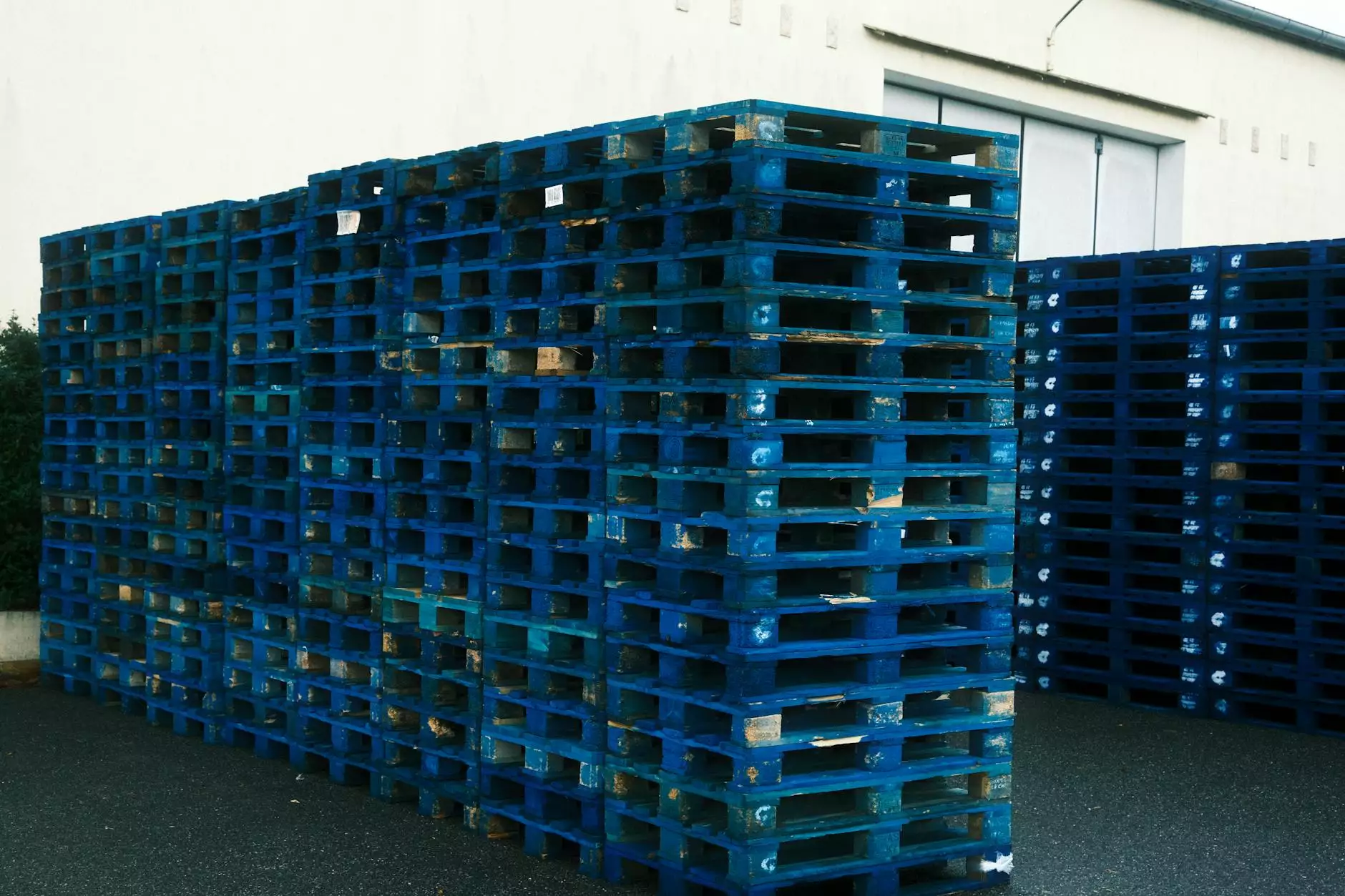
The cost of pallets wood is a significant consideration for anyone involved in shipping, logistics, or supply chain management. The versatility and functionality of wood pallets make them the preferred choice in various industries. This article will delve deep into the factors that determine the cost of pallets wood, providing insights for businesses looking to optimize their procurement strategies.
What Are Wood Pallets and Their Importance?
Wood pallets are flat structures made from timber used for transporting goods. They are a crucial element in logistics, as they allow the efficient movement of products in warehouses and delivery systems. The importance of wood pallets lies in their strength, durability, and recyclability, making them an eco-friendly option in a world increasingly focused on sustainability.
Types of Wood Used for Pallets
The type of wood used in the manufacturing of pallets greatly influences the cost of pallets wood. Some common types include:
- Pine: Widely used due to its availability and cost-effectiveness.
- Oak: Known for its strength and durability, making it ideal for heavy loads.
- Poplar: Lightweight and often used for lighter shipments.
- Birch: Offers a balance of strength and weight, suitable for various applications.
- Recycled Wood: A sustainable option that can offer cost savings and environmental benefits.
Factors Affecting the Cost of Pallets Wood
The cost of pallets wood is influenced by multiple factors that can vary based on market conditions, geographical location, and the nature of the wood itself. Here, we break down these factors:
1. Quality of Wood
Higher quality woods such as oak will have a higher cost compared to softer woods like pine. The grading of the wood – whether it is new or used, and whether it is free of defects – significantly affects pricing.
2. Market Demand
The demand for wood pallets fluctuates based on economic conditions. In periods of high economic activity, the demand for wood pallets rises, increasing their prices. Conversely, during economic downturns, prices may drop due to reduced demand.
3. Supply Chain Costs
The cost of timber, including transportation and labor, impacts the overall cost of wood pallets. A rise in fuel prices can also increase shipping costs, thereby affecting the final price of pallets. Moreover, disruptions in supply chains can lead to scarcity, driving up costs.
4. Geographic Location
The location of timber suppliers and the proximity to manufacturing sites can play a significant role in shipping costs. Suppliers in close proximity to manufacturing sites can offer better prices due to lower transportation costs.
Breaking Down the Pricing Structure
To further understand the cost of pallets wood, it's essential to break down the pricing structure involved in purchasing pallets.
1. Raw Material Costs
The primary cost associated with wood pallets is the cost of the raw materials. Depending on the type of wood and the current market rates, this can vary significantly.
2. Manufacturing Costs
Manufacturing costs include labor, machinery, and overhead expenses. Automating the pallet production process can reduce costs, although initial investment can be high.
3. Transportation Costs
Transporting pallets from the manufacturer to the end-user involves logistics expenses. This includes fuel, driver wages, and vehicle maintenance costs.
Cost Comparison: New vs. Recycled Pallets
When considering the cost of pallets wood, it’s crucial to compare new and recycled pallets. Each comes with its own advantages and cost implications.
New Pallets
- Higher Cost: New pallets generally cost more due to the quality of material and manufacturing processes involved.
- Customization: New pallets can be tailored to specific sizes and strengths to meet unique shipping needs.
- Longer Lifespan: With the right treatment, new pallets can have a longer lifespan compared to recycled options.
Recycled Pallets
- Cost-Effective: Recycled pallets are typically cheaper, making them an attractive choice for cost-conscious businesses.
- Environmental Benefits: Utilizing recycled materials supports sustainability efforts and reduces waste.
- Availability: Depending on market conditions, recycled pallets may be more readily available during periods of wood shortages.
Tips for Reducing Costs on Wood Pallets
When it comes to purchasing pallets, businesses can implement several strategies to minimize costs:
1. Establish Long-Term Relationships with Suppliers
Building a reliable partnership with a timber supplier can lead to better pricing through bulk purchases and consistent orders.
2. Consider Standardized Sizes
Using standardized pallet sizes can simplify logistics and reduce costs. This practice allows suppliers to produce more efficiently and helps in managing inventory effectively.
3. Explore Local Suppliers
Assess local suppliers to cut down on transportation costs. Local sourcing can lead to quicker turnaround times and lower prices.
4. Invest in Pallet Management Systems
Implementing advanced pallet tracking and management systems can help prevent loss, reduce damage, and ensure optimal usage of pallets.
The Future of Wood Pallet Pricing
As industries evolve, so too will the cost of pallets wood. Factors such as advancements in technology, changing regulations on sustainability, and shifts in market demand will shape the future landscape of wood pallet pricing. Businesses must remain vigilant and adaptable to these changes.
Trend Towards Sustainable Practices
As sustainability becomes increasingly important, the demand for eco-friendly pallets made from recycled materials is likely to rise. This trend could impact pricing dynamics across the board.
Impact of Global Market Trends
Global events such as trade policies, tariffs, and economic shifts can have a ripple effect on the availability and cost of wood pallets. Staying informed about these trends will be crucial for businesses that depend on wood pallets for their operations.
Conclusion
Understanding the cost of pallets wood is vital for businesses that rely on these essential freight tools. By considering the various factors influencing pricing, from raw material costs to supplier relationships, companies can optimize their procurement strategies. The future will undoubtedly bring challenges and opportunities, but by being proactive and adaptable, businesses can continue to thrive in the competitive landscape of logistics and supply chain management.
For more information on timber sourcing and to explore competitive prices for wood pallets, visit starytimbersro.com.