The Alexis Chair / Journal
Maximizing Efficiency with Barcode Printers: A Comprehensive Guide
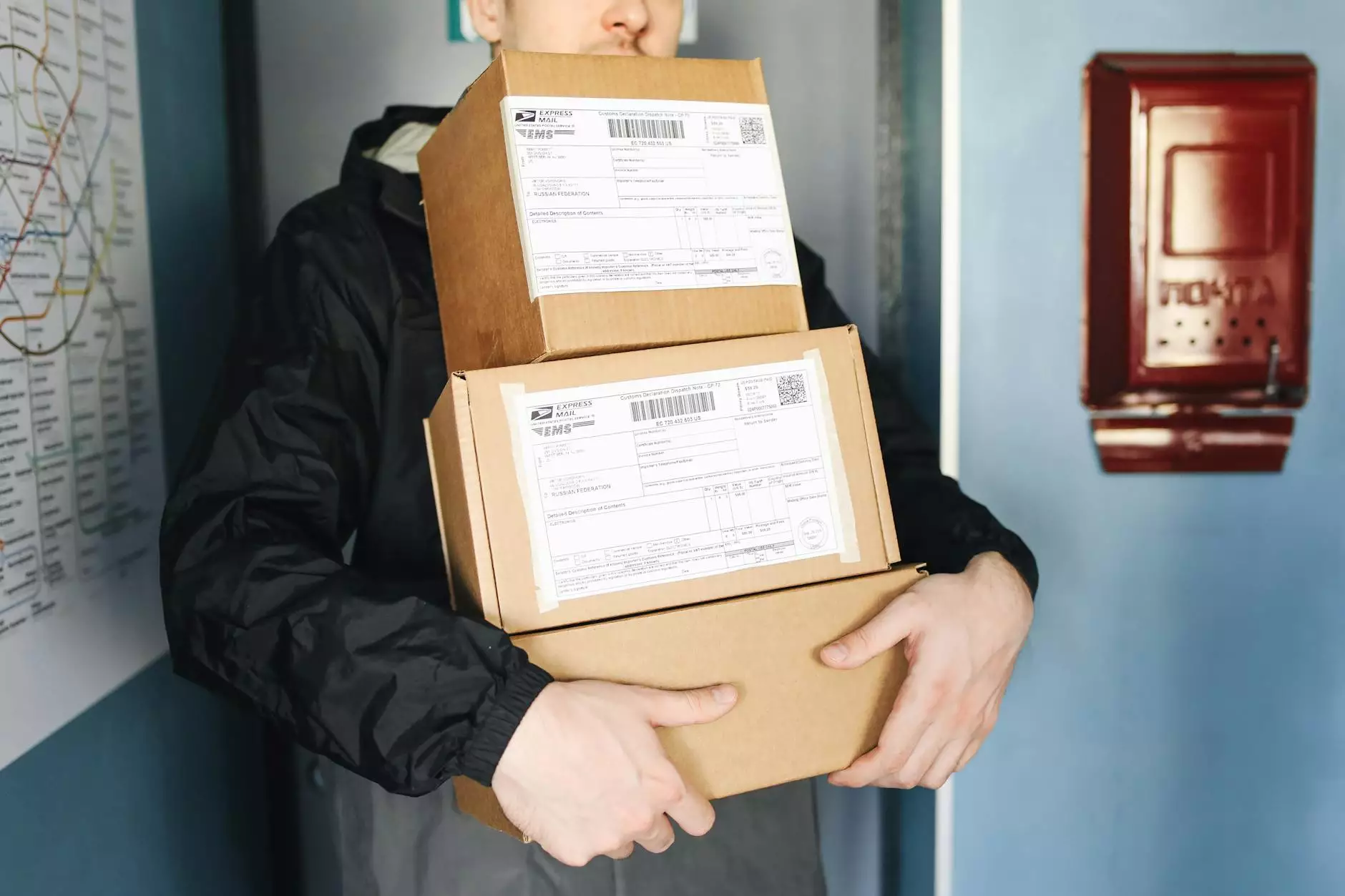
Barcode printers have transformed the way businesses manage their inventory, streamline processes, and improve customer service. In today’s fast-paced world, the significance of having reliable and efficient printing solutions cannot be overstated. This article aims to delve deeply into the world of barcode printers, discussing their benefits, types, applications, and how they positively impact businesses, particularly for companies like Durafast Label.
What is a Barcode Printer?
A barcode printer is a specialized printer designed to create labels with barcodes for various applications. These printers can generate different types of barcodes, such as UPC, ISBN, and QR codes, which can be scanned for tracking and identification purposes. Unlike standard printers, barcode printers utilize unique technologies like thermal transfer and direct thermal printing to ensure high-quality and durable labels.
Types of Barcode Printers
Understanding the different types of barcode printers is crucial for businesses looking to invest in the right solution. The primary types of barcode printers include:
- Thermal Transfer Printers: These printers use a heat transfer process to print images directly onto a label using a ribbon. They are ideal for printing high-quality and long-lasting labels, making them suitable for logistics, production, and retail environments.
- Direct Thermal Printers: These printers eliminate the need for ribbons by using heat-sensitive labels that turn black when heated. They are perfect for short-term labels like shipping labels or receipts.
- Inkjet Barcode Printers: Inkjet printers can produce colorful barcodes and are ideal for packaging applications where visuals are important. They offer versatility but may not be as fast as thermal printers.
- Laser Barcode Printers: These printers use laser technology to print on various media, providing high-quality and durable labels. They are suitable for high-volume printing needs.
Why Businesses Should Invest in Barcode Printers
Investing in a barcode printer can yield a multitude of benefits for businesses across various industries. Some of the key advantages include:
1. Enhanced Efficiency
Barcode printers significantly reduce the time taken for processing and managing inventory. By automating the labeling process, employees can focus on more critical tasks, such as improving customer service and managing sales.
2. Improved Accuracy
Human errors in labeling and data entry can lead to costly mistakes. Barcode printers ensure that product information is standardized and accurate, reducing the risk of errors during identification and tracking.
3. Increased Productivity
With faster printing speeds, barcode printers help streamline operations. This results in quicker turnover times for inventory handling, shipping, and sales transactions.
4. Better Inventory Management
Accurate barcodes facilitate more efficient inventory management. Businesses can easily track stock levels, manage reorders, and reduce overstock or stock-out scenarios.
5. Cost-Effective Solutions
While the initial investment in a barcode printer may seem significant, the savings generated through increased efficiency, reduced errors, and improved inventory control can quickly outweigh the costs.
Applications of Barcode Printers
Barcode printers offer versatile applications in various sectors, ensuring that businesses can benefit from their technology regardless of their industry. Some common applications include:
1. Retail
In the retail sector, barcode printers are widely used for generating price tags, product labels, and promotional materials. By implementing these printers, retailers can optimize checkout processes and improve customer satisfaction.
2. Manufacturing
Manufacturers utilize barcode printers to label parts, manage inventory flows, and streamline production processes. This ensures that all components are tracked, enhancing quality control and efficiency.
3. Logistics and Shipping
Barcode printing in logistics plays a crucial role in tracking packages throughout the shipping process. Labels generated by barcode printers facilitate efficient scanning and tracking.
4. Healthcare
In healthcare, automated patient management through barcode labels ensures that medicines, samples, and equipment are easily identifiable. Accurate labeling improves patient safety and care quality.
Choosing the Right Barcode Printer
When selecting a barcode printer for your business, consider the following key factors:
- Volume of Printing: Assess your daily printing needs. Higher volume businesses may require more robust printers that can handle the workload efficiently.
- Label Material and Size: Ensure the printer supports the specific media and sizes you require for your applications.
- Connectivity Options: Consider how you will connect the printer to your systems. Options include USB, Ethernet, or wireless connections.
- Print Resolution: Look for printers that offer high resolutions for quality labels, especially for detailed logos and graphics.
- Support and Maintenance: Opt for a printer with good customer support and warranty options to ensure your business minimizes downtime.
Integrating Barcode Printers into Your Business Workflow
Integrating barcode printers into your existing business operations can be seamless with the right approach. Here are steps to consider for successful integration:
1. Assess Current Processes
Evaluate your current labeling and inventory management processes. Identify areas of inefficiency and how barcode labeling could enhance these workflows.
2. Train Staff
Proper training for employees on how to operate barcode printers and the importance of accurate labeling is essential for maximizing benefits.
3. Software Compatibility
Ensure that the barcode printer you choose is compatible with your existing inventory management system or software to streamline data management.
4. Monitor Performance
After implementation, monitor the performance of the barcode printer. Gather feedback from users and assess the impact on efficiency and accuracy in your operations.
Conclusion
In conclusion, embracing barcode printers is a strategic move for businesses aiming to enhance their operations. With their ability to improve efficiency, accuracy, and productivity, barcode printers are invaluable tools in today’s competitive market. As industries continue to advance into the future, investing in the right labeling solutions will differentiate successful businesses from the rest.
For organizations interested in upgrading their printing capabilities, Durafast Label offers a wide range of barcode printing solutions tailored for various needs. By leveraging modern technology and exceptional design, these printing services can help businesses optimize their operations and thrive in their respective markets.