The Alexis Chair / Journal
Ultimate Guide to Ordering Firewood for Your Business Success
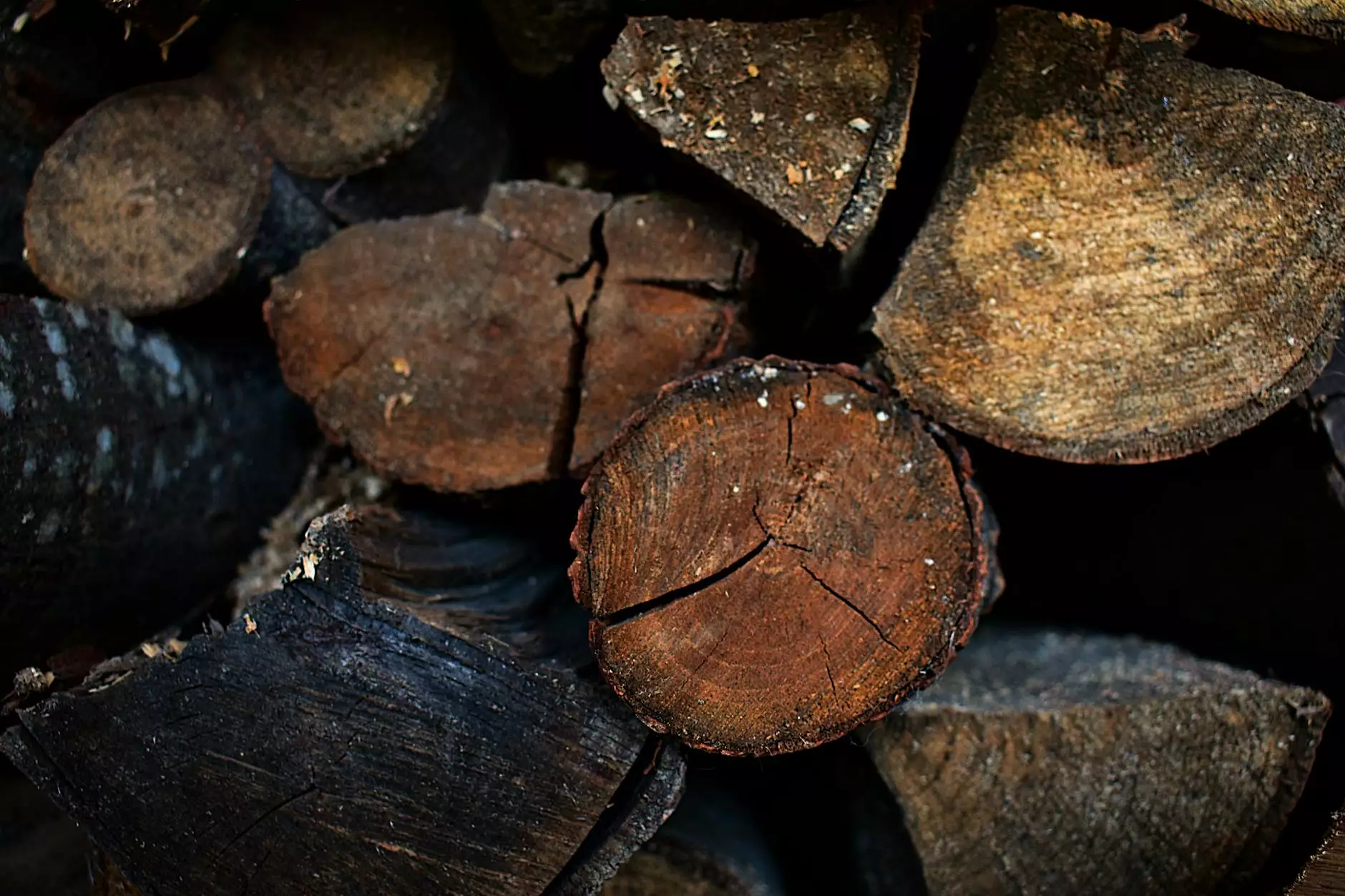
In the world of vibrant industries that rely heavily on firewood, such as hospitality, outdoor recreation, and energy production, ordering firewood is more than just a routine task. It is a vital component that directly influences operational efficiency, customer satisfaction, and profitability. This comprehensive guide aims to equip business owners, procurement managers, and entrepreneurs with deep insights into the art of purchasing firewood effectively, ensuring you make informed decisions that drive long-term success.
Why Effective Ordering Firewood is Crucial for Your Business Growth
Successful businesses recognize the importance of reliable firewood supplies. Why? Because firewood is not only about providing heat; it is about enhancing ambiance, supporting sustainable practices, and maintaining smooth operations. Here are some key reasons why effective ordering firewood can significantly impact your enterprise:
- Consistency in Supply: Ensuring a steady flow of high-quality firewood prevents operational disruptions, especially during peak seasons.
- Cost Efficiency: Strategic purchasing can reduce expenses through bulk orders, better negotiation, and supplier loyalty programs.
- Quality Assurance: Properly sourced firewood minimizes issues like excess moisture, pests, and inconsistent size, which can hamper burning efficiency.
- Environmental Responsibility: Choosing sustainable suppliers aligns your business with eco-friendly practices, appealing to conscious consumers.
- Customer Satisfaction: Providing top-grade, fragrant, and well-seasoned firewood enhances customer experience, fostering loyalty and positive reviews.
Understanding the Fundamentals of High-Quality Firewood
Before delving into the ordering process, it’s essential to comprehend what makes firewood suitable for commercial use. Not all firewood is created equal. The key quality factors include:
1. Moisture Content
Properly seasoned firewood has a moisture content below 20%. This ensures efficient burning, produces minimal smoke, and reduces creosote buildup in chimneys.
2. Wood Species and Burning Efficiency
Different tree species offer varying heat outputs. Hardwoods like oak, hickory, and maple are preferred for their high energy density, longevity, and clean burn. Softwoods may ignite faster but burn quicker and produce more creosote.
3. Size and Shape
Consistent size and shape facilitate easier stacking, handling, and combustion. Common sizes include face cords, face cord, and rick, tailored to specific heating requirements.
4. Absence of Pests and Damaged Wood
High-quality firewood should be free from pests, mold, and decay, which can pose health risks and reduce burning efficiency.
Step-by-Step Guide to Streamlining the Ordering Firewood Process
1. Assess Your Business Needs
Start by calculating the quantity of firewood required based on your expected consumption rates. Consider factors such as winter length, customer volume, and storage capacity. Accurate assessment prevents over or under-ordering.
2. Choose Reputable Firewood Suppliers
Partner with established companies like wood-trans.com that offer premium firewood categories, transparent sourcing, and reliable delivery schedules. Due diligence involves checking reviews, certifications, and the variety of firewood options offered.
3. Evaluate Supplier Offerings and Pricing
Request detailed quotes, including price per cord, delivery costs, payment terms, and discounts for bulk orders. Don’t forget to verify the quality assurance guarantees they provide regarding moisture content, pest control, and storage handling.
4. Prioritize Sustainability and Certification
Opt for suppliers with sustainability certifications or eco-labels that ensure responsible forestry practices. This enhances your brand image and meets increasing customer demand for eco-conscious products.
5. Schedule Timely and Flexible Orders
Plan your orders well in advance, especially ahead of peak seasons. Flexible scheduling allows you to adapt to fluctuating needs and maintains a steady supply chain.
6. Proper Storage and Handling Post-Delivery
Once your firewood arrives, store it in a dry, ventilated area to maintain quality. Stack the wood off the ground and cover the top to protect against moisture and weather elements.
Key Factors to Consider When Ordering Firewood
To make the most of your procurement efforts, pay close attention to the following considerations:
Quality Certifications and Standards
Ensure your supplier adheres to industry standards like ASTM D4442 (moisture testing) and FSC certification if sustainability is a priority.
Delivery Timeliness and Flexibility
Reliable suppliers provide consistent delivery schedules. Being able to adjust or increase your order volume on short notice can be advantageous during unexpected demand surges.
Customizable Packaging and Sizes
Request options tailored to your heating systems or customer preferences, whether that’s bulk deliveries or smaller, manageable packages.
Customer Support and Communication
Choose suppliers known for excellent customer service, prompt communication, and transparent processes. Clear communication streamlines your procurement and reduces misunderstandings.
Environmental and Economic Benefits of Smart Ordering Firewood
By adopting an informed, strategic approach, your business can enjoy multiple benefits:
- Environmental Sustainability: Reducing carbon footprint and supporting responsible forestry practices.
- Cost Savings: Bulk purchasing and long-term supplier relationships lower expenses over time.
- Operational Reliability: Preventing supply shortages and ensuring seamless service delivery.
- Enhanced Brand Reputation: Demonstrating eco-awareness and commitment to quality attracts eco-conscious clients.
Common Pitfalls in Firewood Ordering and How to Avoid Them
Even with the best intentions, some pitfalls can undermine your efforts. Recognize and mitigate these risks:
- Low-Quality or Wet Firewood: Avoid sources that cannot guarantee proper seasoning or certification.
- Inconsistent Delivery Schedule: Work with suppliers who provide reliable, on-time deliveries.
- Ignoring Sustainability Credentials: Neglecting eco-friendly practices can harm your brand image.
- Insufficient Storage Solutions: Failing to prepare proper storage can lead to quality degradation.
Future Trends in Firewood Procurement
The firewood industry is evolving with technological advancements and shifting consumer preferences. Here are some emerging trends to watch:
- Smart Ordering Systems: Integration of digital platforms allowing real-time inventory tracking and automatic reordering.
- Sustainable Forest Management: Increased emphasis on eco-certified suppliers and renewable sourcing.
- Enhanced Packaging Methods: Use of environmentally friendly and convenient packaging options.
- Focus on Quality Assurance: Advanced testing to ensure optimal moisture levels and pest-free wood prior to delivery.
- Customization and Niche Markets: Providing specialized firewood blends for particular customer segments or uses.
Conclusion: Mastering the Art of Ordering Firewood for Business Excellence
In today’s competitive landscape, mastering the process of ordering firewood is pivotal for sustaining and growing your business. It requires a strategic approach combining quality assessment, supplier evaluation, logistical planning, and environmental responsibility. By partnering with reputable suppliers like wood-trans.com, you can ensure a consistent, high-quality supply that meets your business needs and exceeds customer expectations.
Remember, the key to success lies in continuous evaluation, embracing sustainability, and leveraging innovative procurement tools. With a proactive stance and thorough understanding, your business will thrive, standing out as a leader in the firewood industry, and ensuring long-term profitability and customer satisfaction.