The Alexis Chair / Journal
Why is Grain Stored in Silos? An In-Depth Analysis for Efficient Farming and Storage
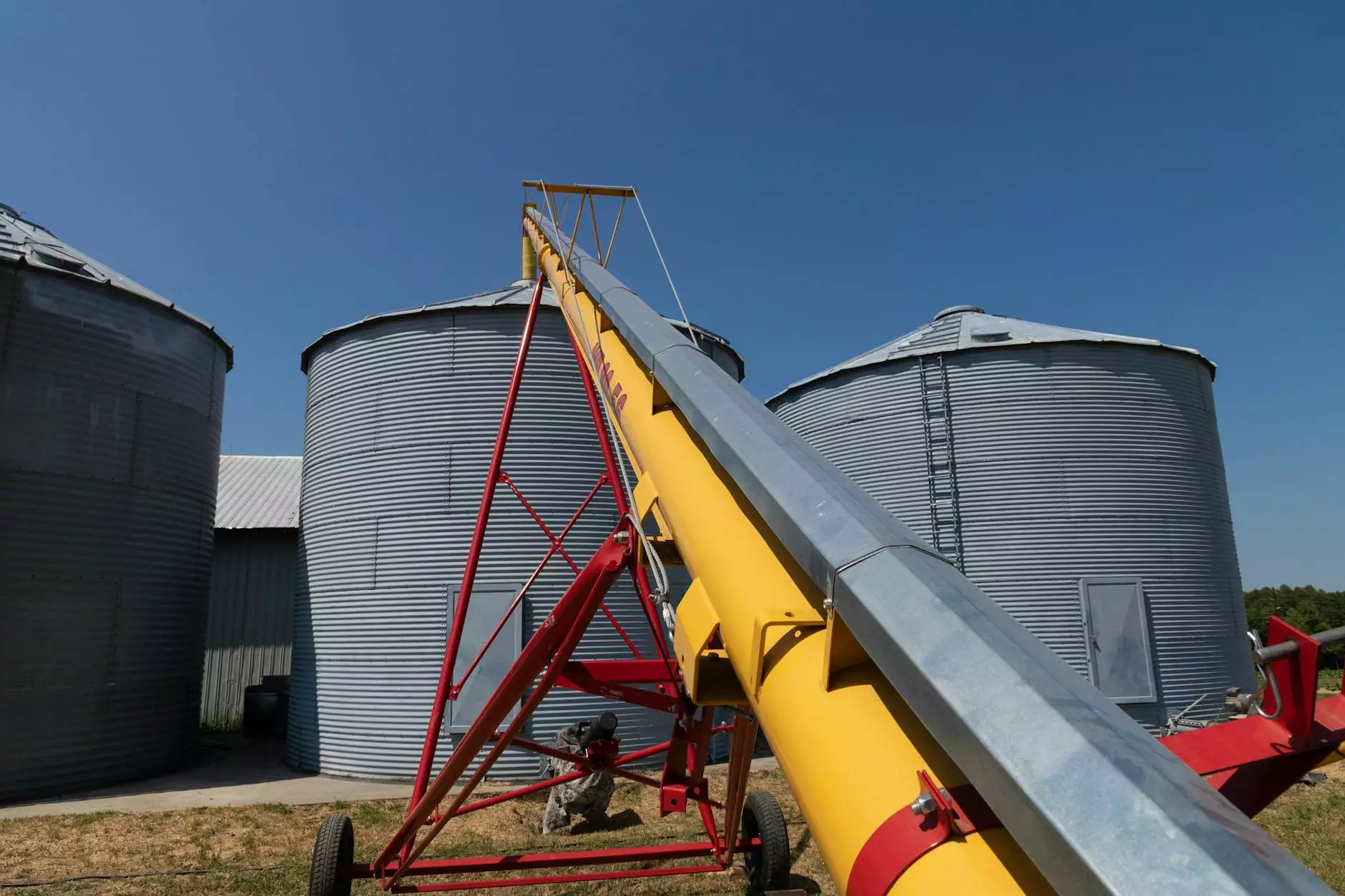
Grain storage is a pivotal aspect of modern agriculture, ensuring that farmers and agribusinesses can effectively manage their harvests from the field to market. Among various storage solutions, silos stand out as the most efficient and reliable method of storing large quantities of grain. In this comprehensive analysis, we will explore why grain is stored in silos, their historical development, technological advantages, impact on farming operations, and future trends in grain storage technology.
Understanding the Role of Silos in Agriculture
Silos are large, cylindrical structures designed specifically for the storage of bulk materials, primarily grains such as wheat, corn, barley, and soybeans. Their primary purpose is to preserve the quality of the grain and facilitate ease of handling, transportation, and processing within the agricultural supply chain.
Historical Development of Grain Silos
The concept of storing grain in elevated, controlled environments dates back thousands of years but gained prominence during the 19th century with the advent of industrialization. Early silos were made of wood or stone, but modern silos are constructed from reinforced concrete, steel, or composite materials that offer durability and efficiency.
The evolution of silos has been driven by:
- Advancements in construction materials and engineering
- Growing global demand for food security
- Requirement for large-scale, efficient storage solutions
- The development of mechanized farming and harvesting technology
Why is Grain Stored in Silos? The Key Reasons
1. Preservation of Grain Quality
One of the primary reasons why is grain stored in silos is to maintain its quality over extended periods. Grain is vulnerable to various degrading factors such as moisture, pests, fungi, and microbial activity. Proper storage in silos helps mitigate these risks through:
- Control of humidity: Silos are equipped with ventilation systems that regulate interior humidity, preventing mold growth.
- Pest control: Sealed silos with modern pest management practices deter insects, rodents, and birds from contaminating the grain.
- Temperature regulation: Aeration systems help maintain a consistent temperature, slowing down biological processes that cause spoilage.
2. Protecting Against Pests and Contaminants
Grain stored in open fields or in inadequate storage units is prone to infestation and contamination. Silos provide a secure environment that minimizes these threats. Advanced pest control measures, such as fumigation and integrated pest management, are often employed in silos to eliminate infestations before they spread.
3. Large-Scale Storage Capacity
Why is grain stored in silos particularly advantageous for large farms and grain suppliers is their ability to hold vast quantities of harvests. The high storage capacity of modern silos, which can range from thousands to millions of bushels, allows farmers to store crops until market conditions are favorable or until processing facilities are ready.
4. Facilitation of Efficient Handling and Transportation
Modern silos are integrated with conveyor belts, bucket elevators, and other mechanized systems that enable quick and efficient transfer of grain in and out of storage. This efficiency reduces labor costs and increases turnaround times for subsequent processing or shipment.
5. Preservation During Market Fluctuations
Farmers often face volatile market prices. Storing grain in silos allows them to wait for optimal selling prices, rather than being forced to sell immediately after harvest when prices are typically lower. This storage flexibility maximizes profits and stabilizes income streams.
6. Supporting Farm Equipment and Supply Chain Operations
Farm equipment repair and maintenance are critical components of successful farming. Silos tie into this ecosystem by providing stored grain that can be used as collateral for equipment loans or to ensure food security for farm workers. Additionally, silos support the broader supply chain by acting as regional hubs for grain distribution.
Technologies Behind Modern Grain Silos
The effectiveness of silos in storing grain has been significantly enhanced by technological innovations, making modern silos smarter, more energy-efficient, and easier to maintain.
1. Aeration and Climate Control
Modern silos utilize sophisticated aeration systems that allow for controlled airflow, maintaining optimal temperature and humidity levels to prevent spoilage. Sensors continuously monitor conditions inside the silo, adjusting airflow accordingly.
2. Grain Quality Monitoring
Advanced digital systems and sensors detect parameters such as moisture levels, temperature, and insect activity. Data analytics enable proactive management and timely interventions in grain preservation.
3. Automated Filling and Discharging Systems
Automation reduces manual labor and increases efficiency during loading and unloading processes. These systems also minimize grain handling damage, preserving grain integrity.
4. Structural Innovations
Modern silos feature strengthened structural designs, such as domed or cone-shaped chutes that facilitate gravity-assisted flow of grain, preventing blockages and ensuring complete discharge.
Environmental and Economic Benefits of Using Silos
Utilizing silos for grain storage extends beyond preserving crop quality; it offers significant environmental and economic advantages.
Environmental Benefits:
- Reduced waste: Proper storage prevents spoilage and reduces grain loss.
- Energy efficiency: Modern aeration systems consume less energy while maintaining ideal storage conditions.
- Lower environmental impact: Sealed silos reduce the use of chemical treatments and minimize contamination risks to surrounding ecosystems.
Economic Benefits:
- Market flexibility: Farmers can sell grain at premium prices, timing the market conditions.
- Cost savings: Efficient handling and reduced spoilage lower operational costs.
- Enhanced income stability: Storage capabilities buffer against price fluctuations and supply chain delays.
Choosing the Right Silo for Your Farm
Not all silos are created equal. When selecting a silo, farmers should consider factors such as:
- Storage capacity: Ensuring sufficient size for current and future harvests.
- Material and construction: Steel, concrete, or composite materials, each with specific advantages.
- Technological integrations: Built-in sensors, automation, and climate control features.
- Location and accessibility: Proximity to fields and processing facilities for efficiency.
- Cost and maintenance requirements: Balancing initial investment with long-term operational costs.
Conclusion: The Critical Importance of Silos in Modern Agriculture
Why is grain stored in silos is a question rooted in the essential needs of preserving quality, ensuring food security, maximizing economic returns, and integrating technological advancements in farming. Silos have revolutionized grain storage by providing a controlled, secure, and efficient environment that supports farmers and the entire agricultural supply chain.
As farm technology continues to evolve, so will the capabilities of silos. Embracing innovative storage solutions will be vital for farmers aiming for higher productivity, reduced waste, and sustainable operations. Whether you're involved in farm equipment repair or managing large-scale crop production, understanding the importance and proper utilization of silos is fundamental for success in modern agriculture.
For expert solutions in farming equipment and innovative grain storage options, trust TSGC Inc.. We are dedicated to supporting your agricultural ventures with top-tier equipment, repair services, and industry-leading knowledge.