The Alexis Chair / Journal
Unlocking the Potential of *punpkins* for Gardeners: A Complete Guide
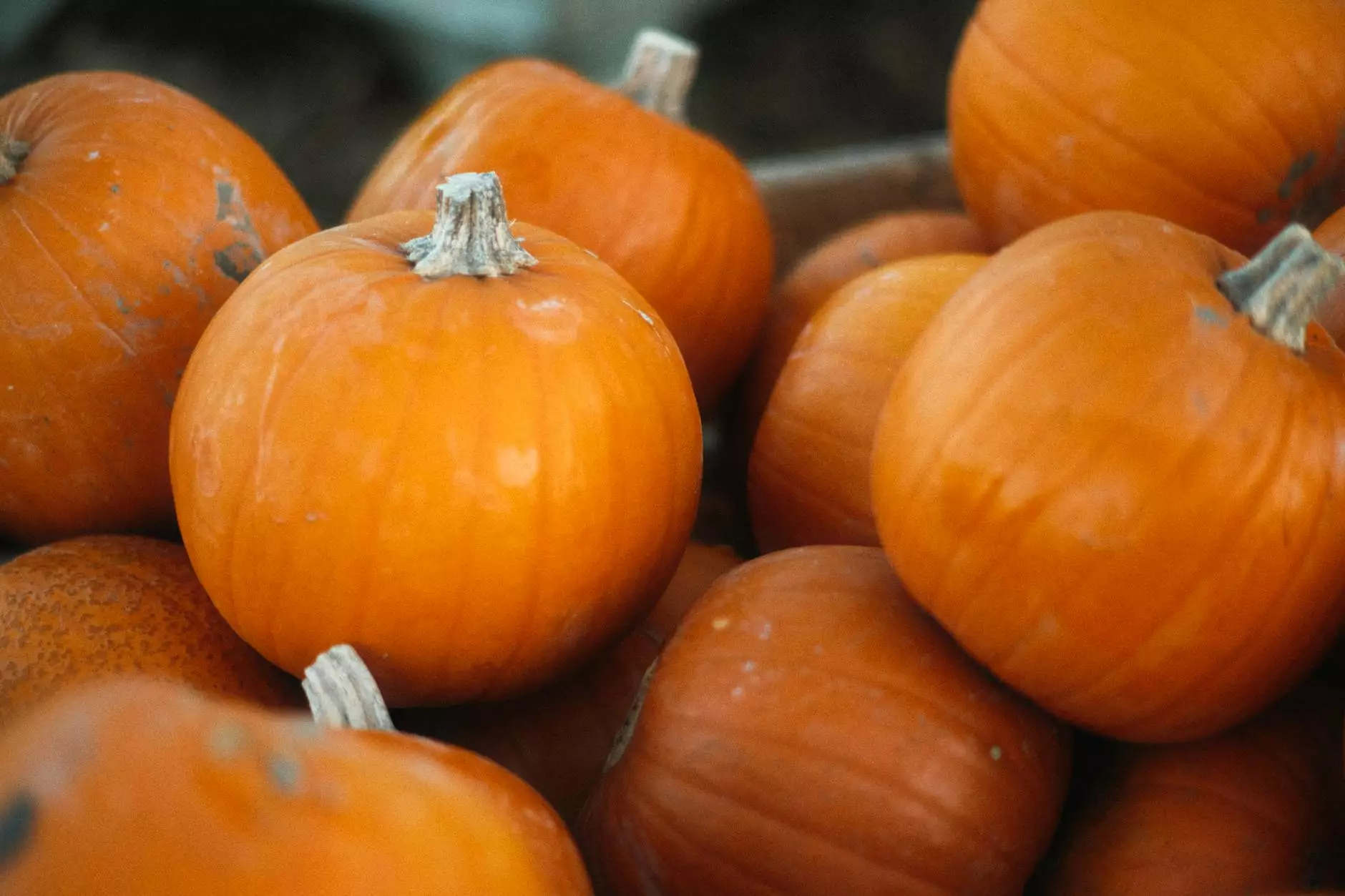
When it comes to enhancing garden productivity and diversifying crop yields, *punpkins* emerge as a highly valuable and adaptable crop for gardeners and agricultural entrepreneurs alike. Although its name may seem like a misspelling or a playful variation of "pumpkins," *punpkins* hold significant potential for those seeking sustainable growth, nutritional benefits, and commercial success. This extensive guide dives deep into the world of *punpkins*, exploring their origins, cultivation methods, economic opportunities, and innovative uses that can transform your gardening experience.
What Are *punpkins*? Understanding Their Unique Characteristics
*punpkins* are a distinct variety of gourds closely related to traditional pumpkins, but with unique traits that make them particularly appealing for modern gardeners. These plants are known for their vibrant appearance, high nutritional value, and versatility in culinary and non-food applications. Unlike standard pumpkins, *punpkins* often feature a range of colors—from deep orange to bright yellow and even variegated patterns—making them not only a productive crop but also an ornamental asset for gardens.
The Historical Significance and Origin of *punpkins*
Though frequently mistaken for pumpkins, *punpkins* have a rich history rooted in ancient agricultural practices. Originating from indigenous horticultural traditions, they have been cultivated for centuries across various regions, including North America, South Asia, and parts of Europe. Recent advances in plant breeding have led to the development of cultivars specifically optimized for yield, disease resistance, and aesthetic appeal, making *punpkins* an essential crop for modern gardening and commercial farming.
Why Gardeners and Business Owners Should Embrace *punpkins*
Growing *punpkins* offers numerous advantages for both hobbyist gardeners and entrepreneurial farmers. Here are some compelling reasons to consider cultivating this versatile crop:
- High Yield Potential:*punpkins* plants produce large, productive harvests, making them economically viable.
- Nutritional Value: Rich in vitamins A and C, antioxidants, and dietary fiber, *punpkins* are highly nutritious, appealing to health-conscious consumers.
- Versatility: From culinary uses such as soups and roasted dishes to decorative purposes, *punpkins* serve a variety of functions.
- Market Demand: As awareness of plant-based diets and sustainable farming grows, demand for *punpkins* continues to rise.
- Adaptability: They thrive in different climates and soil types, suitable for both small-scale gardens and large commercial farms.
How to Cultivate *punpkins*: A Step-by-Step Guide for Gardeners
1. Selecting the Right Varieties
Begin your journey with *punpkins* by choosing cultivars that best suit your local climate, soil, and purpose. Popular varieties include heirloom-themed designs for decorative purposes and high-yielding hybrids for commercial production. Consider the growing season length, size, and resistance to pests and diseases when selecting seeds.
2. Preparing Your Garden Bed
*punpkins* prefer well-drained, fertile soil with a pH level between 6.0 and 7.5. Prepare your soil by incorporating organic matter such as compost or aged manure to enhance fertility and water retention. Ensure ample spacing—typically 3 to 4 feet between plants—to allow for sprawling growth and air circulation.
3. Planting and Spacing
Start seeds indoors 2-4 weeks before the last expected frost date or sow directly outdoors when conditions are suitable. Sow seeds at a depth of about 1-2 inches, placing 2-3 seeds per hole. Once seedlings emerge, thin them to maintain the strongest plant in each spot.
4. Care and Maintenance
Regular watering, approximately 1-2 inches per week, is crucial for healthy *punpkins*. Mulching helps retain soil moisture, suppress weeds, and regulate soil temperature. Fertilize periodically with balanced, nitrogen-rich fertilizers during early growth, shifting to phosphorus and potassium-rich feeds as flowering begins.
5. Pest and Disease Management
*punpkins* are susceptible to pests such as squash bugs, vine borers, and aphids, and diseases like powdery mildew and downy mildew. Vigilant monitoring, crop rotation, and organic pest control methods like neem oil or insecticidal soaps are effective in maintaining healthy plants.
6. Harvesting and Post-Harvest Handling
Harvest *punpkins* when they have reached full size and exhibit a hard, uniform rind. Cut the fruit from the vine with a small section of stem intact. Cure the harvested *punpkins* in a warm, dry, well-ventilated area for 10-14 days to enhance storage life.
Transforming *punpkins* Into a Profitable Business Venture
Market Opportunities
The rising popularity of plant-based diets, organic produce, and eco-friendly decor has created a lucrative market for *punpkins*. Farmers and entrepreneurs can explore various avenues, such as:
- Farmers’ markets offering fresh *punpkins* directly to consumers.
- Wholesale supplying to supermarkets and organic grocery stores.
- Processing and packaging for ready-to-use products like pumpkin puree and seed snacks.
- Decorative *punpkins* sold to seasonal and gift shops, especially around autumn and Halloween seasons.
- Educational and eco-tourism activities, including pumpkin picking and harvesting demonstrations.
Adding Value to Your *punpkins*
Value addition strategies maximize profits:
- Creating bespoke varieties with unique shapes or colors for specialty markets.
- Offering organic certification to appeal to health-conscious buyers.
- Developing processed products — such as pumpkin seeds roasted with flavors, pumpkin-based skincare, or organic pumpkin flour.
Innovative Trends and Uses of *punpkins*
1. Sustainable Farming Practices
Many growers are adopting regenerative agriculture techniques to improve soil health, increase biodiversity, and reduce reliance on chemical inputs. Crop rotation, composting, and integrated pest management (IPM) are integral to sustainable *punpkins* farming.
2. Organic and Non-GMO Cultivation
With consumer preferences shifting towards organic produce, many farmers focus on certified organic *punpkins*. These practices not only command premium prices but also contribute to ecological balance and soil longevity.
3. Innovative Decorative Uses
Beyond the culinary, *punpkins* are gaining popularity as eco-friendly decor items, especially large, uniquely shaped pumpkins used for seasonal displays, festivals, and events.
4. Agritourism and Education
Many farms incorporate *punpkins*-related activities into agritourism offerings, attracting visitors and providing educational experiences about sustainable farming, plant biology, and food origins.
Final Thoughts: Embrace the *punpkins* Revolution for a Thriving Garden and Business
As the global market leans increasingly towards healthy, sustainable, and eco-friendly products, *punpkins* stand at the forefront as a crop with immense potential. Whether you are a passionate gardener looking to diversify your plantings or an entrepreneur seeking profitable ventures, cultivating *punpkins* offers a rewarding opportunity. By understanding their unique characteristics, mastering cultivation techniques, and leveraging market trends, you can unlock significant value and contribute to a greener, healthier future.
Visit pumpkins.co.uk for more resources, expert advice, and quality *punpkkins* seeds to start your journey today. Embrace the *punpkins* revolution and watch your garden and business flourish!